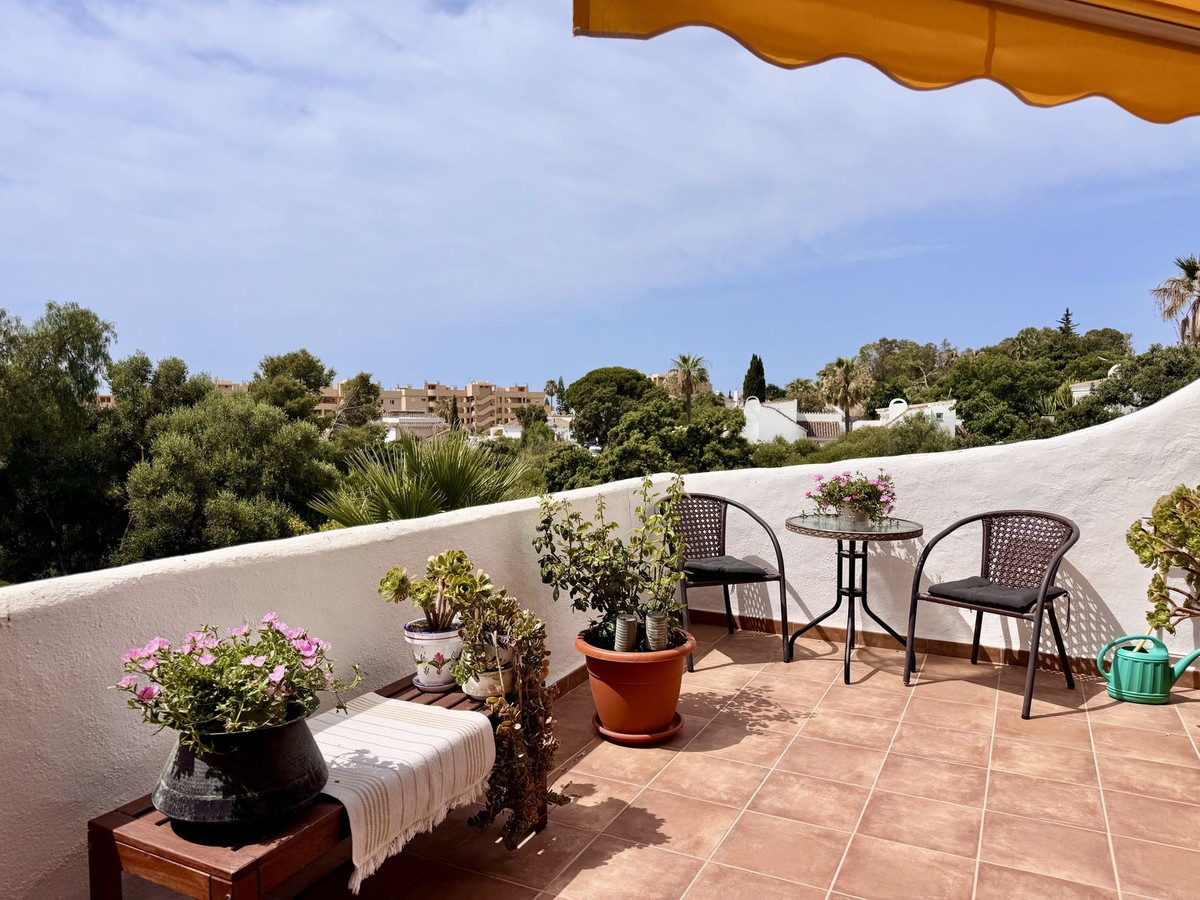


Buying a home in southern Spain is a dream for many international buyers. With its year-round sunshine, Mediterranean lifestyle, and excellent connectivity to Northern Europe, the Costa del Sol remains one of the most attractive regions in Europe for a second home. However, one of the biggest surprises for many buyers is that the purchase price of a property is not the only cost involved.
Understanding the true cost of buying property in Spain is essential before making a purchase. On the Costa del Sol, buyers should typically expect to pay around 10–13% on top of the property price in taxes and fees. These costs cover items such as transfer tax, legal services, notary fees, and property registration.
Below is a clear overview of the main Costa del Sol property purchase costs buyers should plan for in 2026.


Property Transfer Tax in Andalusia
For most buyers purchasing a resale property, the largest additional cost is property transfer tax, known in Spain as Impuesto de Transmisiones Patrimoniales (ITP). In the region of Andalusia, where the Costa del Sol is located, the transfer tax rate has been set at 7% of the purchase price for resale properties in recent years. This tax is paid by the buyer and must usually be settled within a short period after the purchase is completed. For example:- Property price: €400.000
- Transfer tax (7%): €28.000
Notary Fees
In Spain, property transactions must be formalised before a notary, who verifies the identities of the parties involved and ensures the purchase deed is correctly executed. Notary fees are regulated by the government and generally depend on the property price and complexity of the transaction. For most Costa del Sol purchases, buyers can expect notary fees to be relatively modest compared to other costs. These fees are usually a small percentage of the property price and form part of the standard administrative expenses when completing the purchase. The signing of the title deed typically takes place at a notary office in the province where the property is located, often in towns such as Marbella, Fuengirola, or Mijas.Property Registry Fees
After the purchase deed is signed, the transaction must be registered in Spain’s Land Registry (Registro de la Propiedad). This step ensures that the buyer becomes the official legal owner of the property. The registry records important details about the property, including ownership, mortgages, and any legal restrictions. Registry fees are also regulated and normally represent a small percentage of the property price. While not a major cost individually, they are an essential part of the legal process when buying property in Spain. Registering the property correctly provides buyers with important legal security and confirms their ownership under Spanish law.
Legal Fees
Most experienced buyers strongly recommend using an independent property lawyer when purchasing a home in Spain. A lawyer will typically:- perform due diligence on the property
- check planning permissions and debts
- review contracts
- coordinate the purchase process
- ensure taxes are paid correctly
Other Possible Costs
In addition to the main expenses above, buyers may also encounter smaller administrative costs related to the transaction. These can include:- obtaining an NIE number (a tax identification number required for foreign buyers)
- opening a Spanish bank account
- administrative services related to paying taxes and registering the property
Typical Total Costs When Buying Property in Spain
When all expenses are combined, buyers on the Costa del Sol typically budget around 10–13% of the property price for purchase costs. A simplified example might look like this: Property price: €400.000 Approximate additional costs:- Transfer tax: €28.000
- Legal fees: ~€4.000
- Notary and registry: several thousand euros combined
- Administrative costs